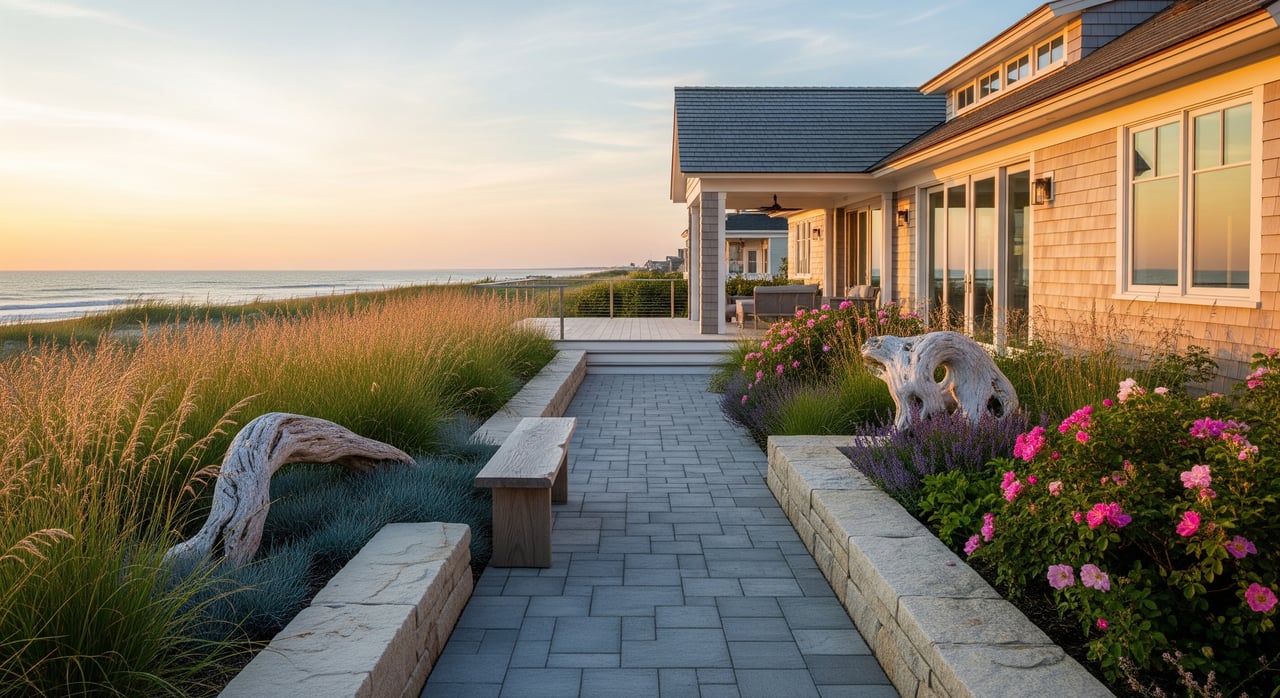
Positioning A Mantoloking Waterfront Estate For A Landmark Sale
If you are preparing to sell a Mantoloking waterfront estate, you are not just listing a home. You are positioning a rare asset in one of the Shore’s smallest and most valuable coastal markets. In a place where inventory is limited, buyers are discerning, and flood-related details matter, the right strategy can shape both perception and price. Here is how to approach a landmark sale with clarity, confidence, and a plan that fits Mantoloking’s waterfront reality.
Mantoloking is a small barrier-beach borough on the Atlantic coastline, and the borough states that the entire community lies within a special flood hazard area and the flood plains of the Atlantic Ocean and Barnegat Bay. That means buyers of waterfront estates are typically looking at more than beauty and location. They are also weighing elevation, resilience, flood exposure, and the quality of the property documentation.
This is also a market where broad averages can be misleading. As of spring 2026, Zillow reported 16 homes for sale and 5 new listings, while Realtor.com reported 37 active listings and a median time on market of 47 days. Redfin reported a $7.0 million median sale price over the prior three months, but only one home sold in that period, which shows how quickly a single closing can shift local numbers.
For you as a seller, the takeaway is simple. In Mantoloking, presentation and positioning carry extra weight because the market is small, high value, and highly sensitive to the details of each individual property.
For a Mantoloking waterfront estate, flood readiness is part of the sale story. New Jersey’s Department of Environmental Protection says flood risks are increasing statewide, with sea-level rise and heavier precipitation adding pressure to coastal properties. In a town like Mantoloking, buyers often want answers early, not after they are emotionally invested.
New Jersey’s Flood Risk Notification Law, effective March 20, 2024, requires sellers to disclose certain flood risk information on the property condition disclosure statement before a buyer becomes obligated under a purchase contract. That includes whether the property is in a FEMA Special Flood Hazard Area or Moderate Flood Hazard Area, along with any actual knowledge concerning flood risks.
This is one of the first places where a luxury sale can either build confidence or create hesitation. When your disclosures, elevation information, insurance context, and property history are organized from the start, you reduce friction and show buyers that the estate has been responsibly maintained.
Before launch, it helps to assemble a clean, accurate flood-related file that may include:
Flood insurance deserves special attention. FloodSmart notes that flood damage is usually not covered by standard homeowners insurance, and federally backed mortgages generally require flood insurance in high-risk Zone A and Zone V areas. Even cash buyers often want the same clarity because ownership costs and risk planning matter at this price point.
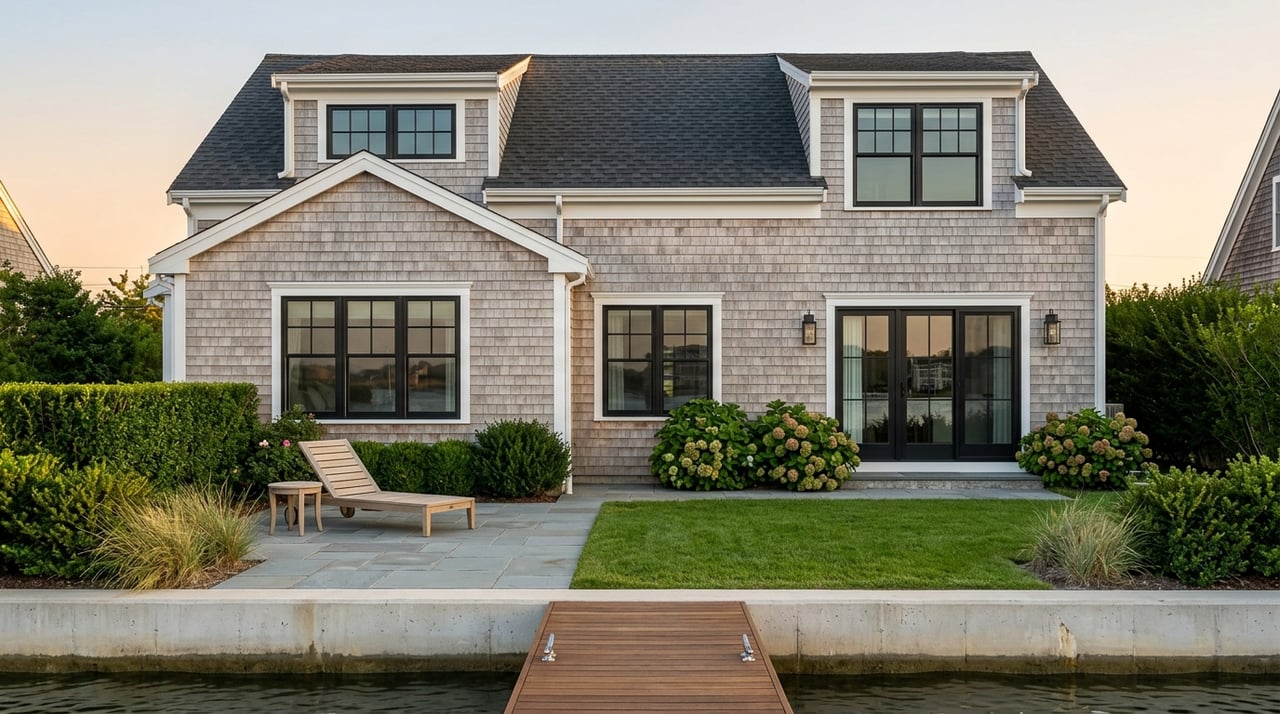
On a waterfront property, the dock, bulkhead, boat lift, or jet ski lift may be central to the home’s appeal. They can also raise questions if their status is unclear. NJDEP advises owners to investigate the legality of existing waterfront structures such as bulkheads, shore-protection structures, docks, and boat lifts, and notes that structures in tidal waters often require permit review.
This matters because luxury buyers tend to notice the full property, not just the house. If a listing promotes a private dock or other waterfront amenity, buyers may expect that the structure’s legality and permitting history have already been reviewed.
For some single-family homes in flood hazard areas, NJDEP also says reconstruction, relocation, and elevation work may require permit-by-rule, general permit, or individual permit authorization. In some tidal flood hazard authorizations, the lowest floor must be at least one foot above the flood-hazard-area design flood elevation. If your estate has had substantial work done, reviewing that paper trail before going live can help avoid surprises during due diligence.
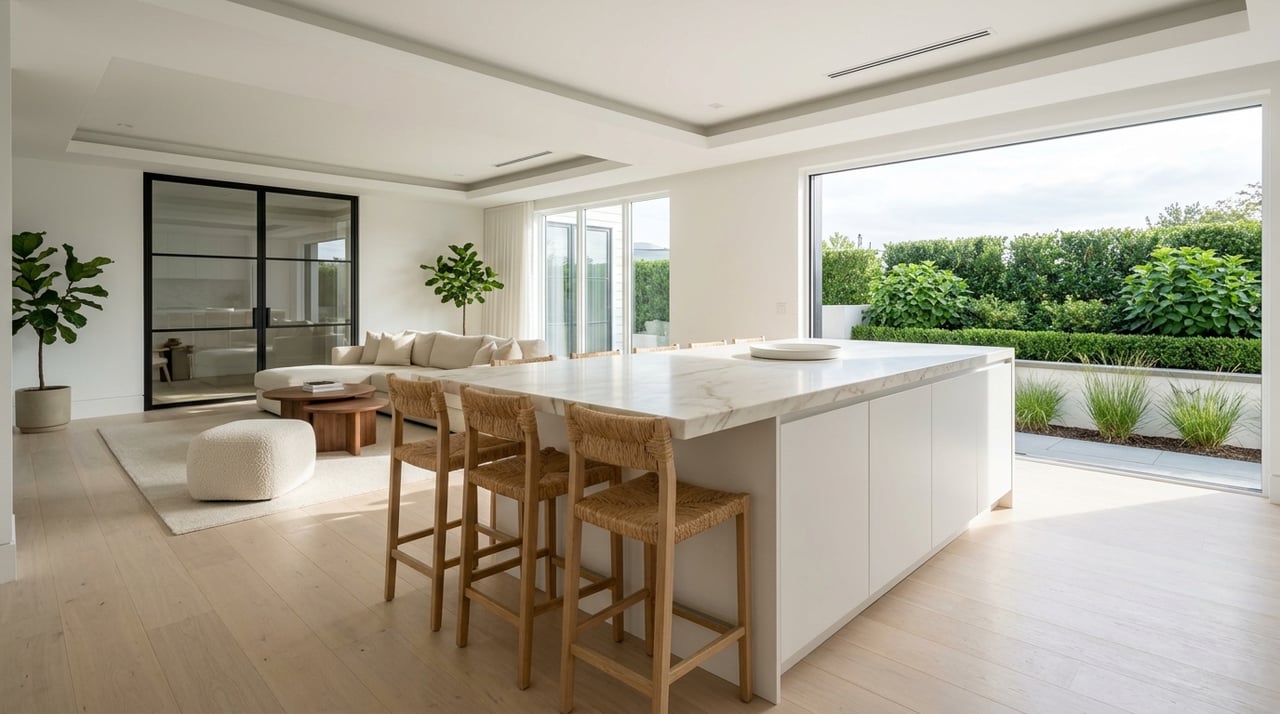
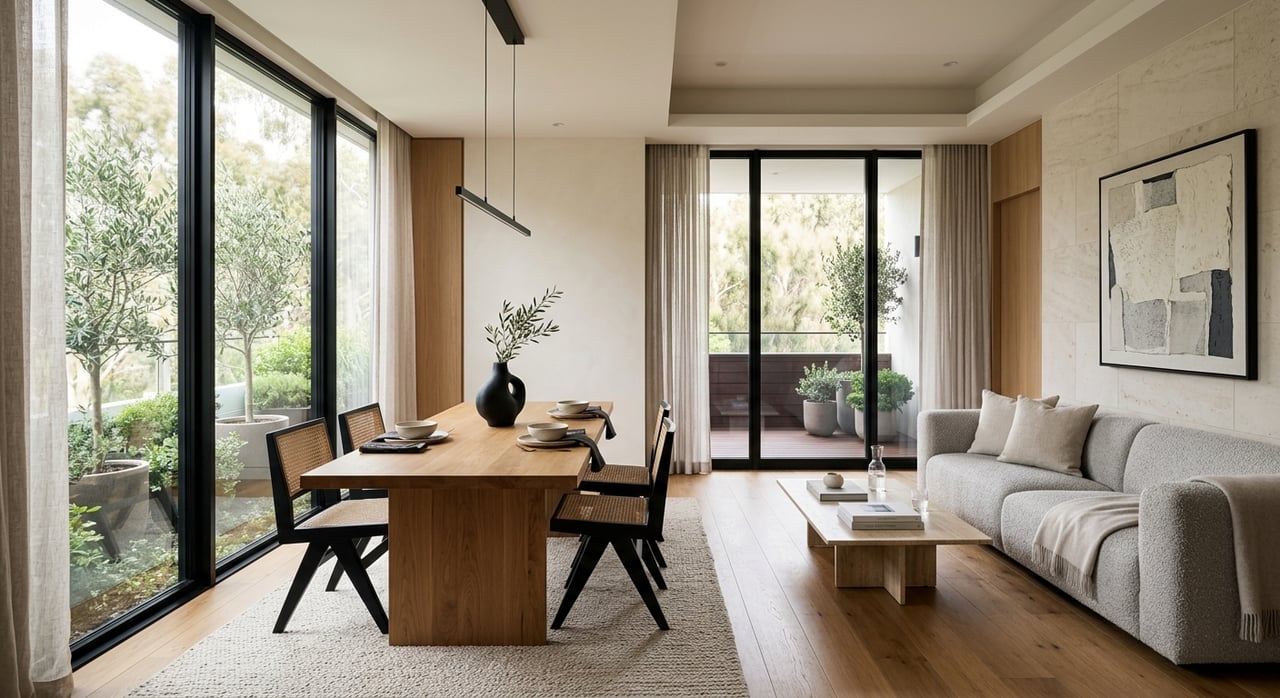
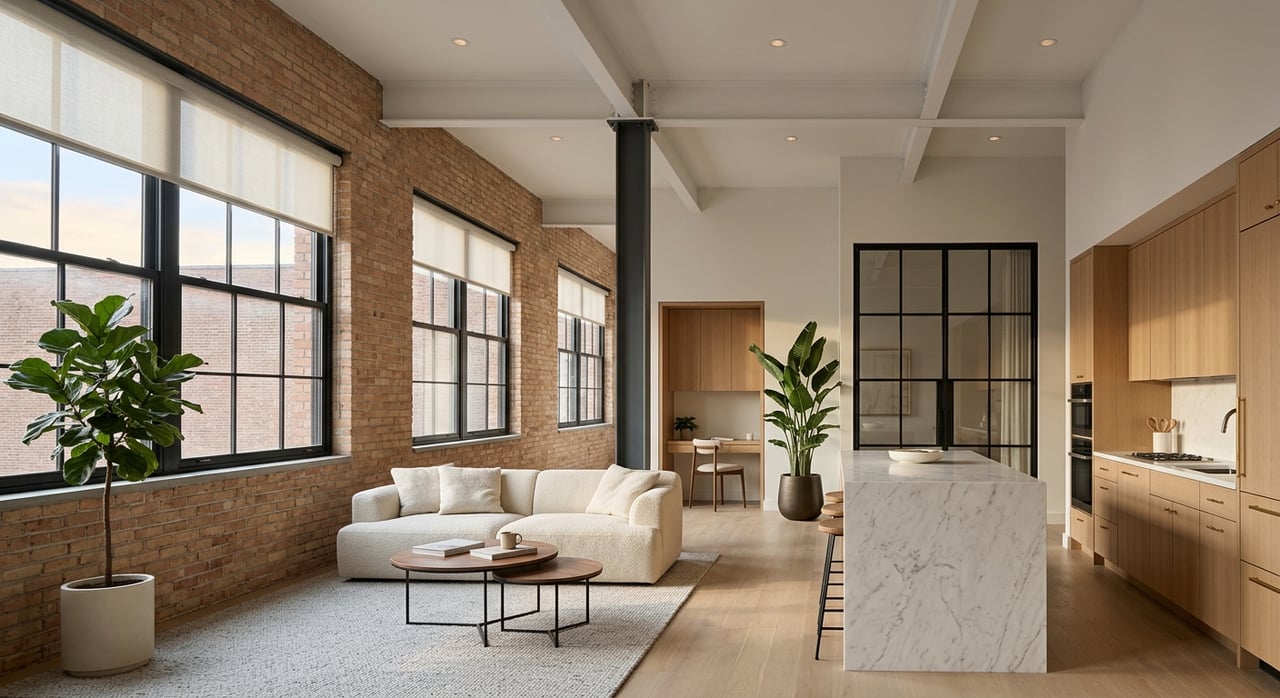
Luxury buyers are buying a lifestyle as much as a structure. In Mantoloking, that lifestyle often centers on light, views, circulation, privacy, and a smooth connection between indoor and outdoor living. That is why staging should not stop at the living room.
The 2025 staging report from the National Association of Realtors found that 83% of buyers’ agents said staging made it easier for buyers to visualize a home as a future residence. It also found that 29% said staging increased the dollar value offered by 1% to 10%, while 49% of sellers’ agents said staging reduced time on market.
For a waterfront estate, the most important rooms still matter. NAR found living rooms, primary bedrooms, and kitchens rank highest for staging impact. But in Mantoloking, the outdoor experience is also part of the property’s identity, so terraces, pools, entertaining areas, and water-facing transitions should feel just as intentional.
If you want the strongest visual return, prioritize:
If full staging is not the right fit, partial preparation still matters. NAR reports that more than half of sellers’ agents recommend decluttering or correcting property faults before listing. In a luxury coastal home, that can mean simplifying furnishings, refining scale, refreshing paint, and removing distractions that compete with the setting.
A landmark sale needs more than pretty photography. It needs a visual package that helps qualified buyers understand the estate quickly and accurately. Zillow’s 2024 buyer survey found that 86% of buyers were more likely to view a home if the listing included a floor plan they liked, while 77% said a dynamic floor plan linking photos to parts of the home would help them determine fit.
That is especially important in large waterfront homes where layout can be harder to read from photos alone. Buyers want to understand the relationship between entertaining spaces, bedroom placement, outdoor access, and water-facing rooms before they commit time for a showing.
The same survey found that 70% of buyers said private outdoor space was very or extremely important. For Mantoloking, that means the exterior story should be documented with as much care as the interiors. Drone angles, water orientation, bulkhead or dock context, pool positioning, and outdoor entertaining flow can all help buyers grasp what makes the property rare.
A thoughtful luxury launch often includes:
Digital media matters, but it should not oversell. Zillow found that only 49% of buyers said they would be at least somewhat confident making an offer after seeing a virtual tour without visiting in person, and only 4% made an offer completely unseen. For most luxury buyers, media opens the door, but the in-person experience still closes the gap.
Not every waterfront seller wants the same level of visibility. Some want a full public launch with broad exposure. Others prefer a more controlled rollout that protects privacy while testing demand. In the upper tier of the market, both paths can be valid if they are handled strategically.
Knight Frank describes its Private Office as built around discretion and strategic clarity, while Douglas Elliman’s private-listings platform is designed to give sellers options for market testing, elevated service, and privacy. For a Mantoloking estate, that means your marketing plan should be tailored to your priorities, not forced into a single template.
A well-positioned campaign may begin privately, then expand publicly once pricing, messaging, and buyer response are clear. Or it may launch broadly from day one if the property benefits from maximum visibility. What matters is that the rollout feels coordinated and intentional.
Mantoloking attracts local, regional, and second-home interest. It can also appeal to buyers coming from Manhattan, other parts of the Tri-State area, and international networks looking at coastal lifestyle properties. In that setting, buyer reach is not just about getting into the MLS. It is about putting the estate in front of the right audience with the right presentation.
Knight Frank says its network spans more than 600 offices across 50 territories, with tailored international marketing and multilingual distribution. For sellers of standout waterfront homes, that level of reach can be meaningful, especially when the property has cross-market appeal and a polished media package to support it.
For Danielle Lacko Real Estate, this is where design-forward curation and institutional distribution work together. A cinematic visual approach can create emotional pull, while broader syndication can widen the buyer pool beyond purely local traffic.
In a market this small, overpricing can be costly. Realtor.com reported that, on average, homes in Mantoloking sold for 3.5% below asking in May 2026, even while describing the market as active. That does not mean sellers should price defensively. It means pricing should be grounded in the reality that luxury buyers compare quality, condition, waterfront utility, and documentation, not just square footage.
A landmark sale is usually earned through alignment. The property condition, flood-readiness story, staging, visual presentation, exposure plan, and price all need to support one another. If one piece is out of sync, buyers notice.
The strongest Mantoloking listings rarely feel rushed. They enter the market with a clear narrative, organized documentation, refined presentation, and a rollout that matches the property’s profile. That kind of preparation tells buyers they are looking at a serious offering.
For a waterfront estate, that can make the difference between curiosity and conviction. When the home looks exceptional, the details are buttoned up, and the listing reaches the right audiences, you give your property the best chance to stand out in a market where every sale is closely watched.
If you are preparing to position a Mantoloking waterfront home for a standout result, Danielle Lacko brings a design-led, high-touch approach backed by Douglas Elliman and Knight Frank reach.
Stay up to date on the latest real estate trends.
Ocean County,New Jersey
"The Hamptons" of New Jersey
Monmouth Beach Realtors
Danielle Lacko Team at Douglas Elliman
Real Estate From The City To The Shore
Get assistance in determining current property value, crafting a competitive offer, writing and negotiating a contract, and much more. Contact me today.