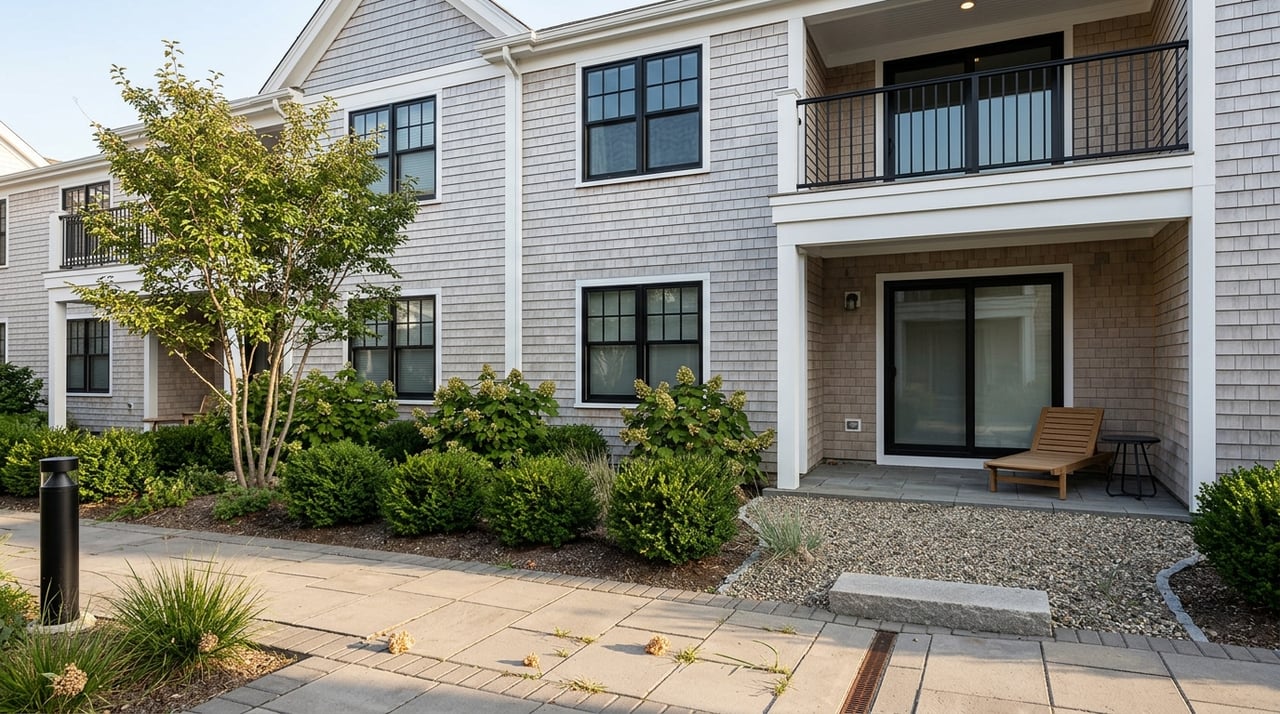
Monmouth Beach Condo Or Coastal Home: How To Choose
Trying to choose between a Monmouth Beach condo and a coastal home? You are not just picking a property type. You are choosing how much maintenance, flexibility, shared decision-making, and flood-related responsibility you want in your day-to-day life. If you want a shore property that fits your schedule, budget, and long-term plans, this guide will help you weigh the tradeoffs clearly. Let’s dive in.
In Monmouth Beach, the condo-versus-house choice carries extra layers that buyers do not always face in inland markets. Because this is a coastal borough, flood information, permitting, and property upkeep can play a bigger role in ownership.
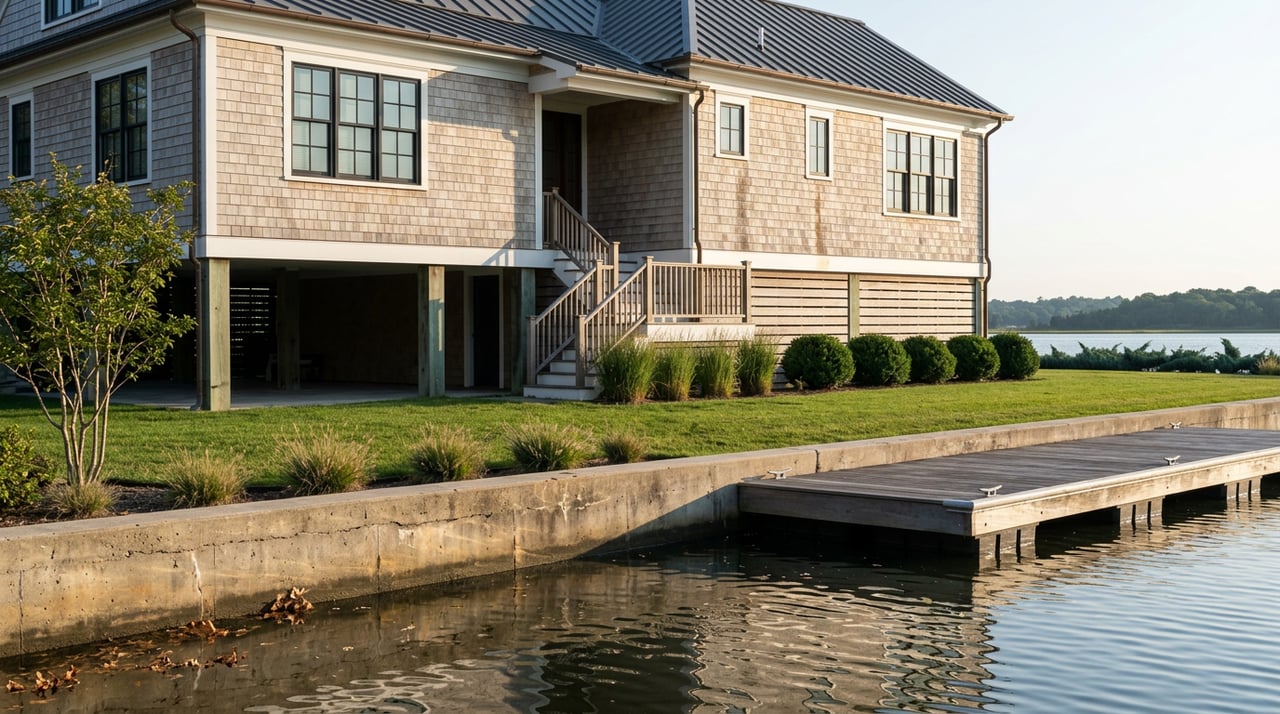
The borough maintains flood-information resources, including its revised Flood Insurance Rate Map, effective June 20, 2018. It also states that development in a designated floodplain requires a Floodplain Development Permit before work begins. That matters if you are thinking ahead about renovations, elevating a property, or expanding outdoor space.
Monmouth Beach also handles beach access through a local system rather than bundling it automatically with ownership. The borough sells beach badges and parking tags through the Bathing Pavilion, with separate pricing for badges, parking tags, and daily wristbands. For many second-home buyers, that is a practical detail worth factoring into the ownership experience.
A condo often appeals to buyers who want a simpler, more lock-and-leave shore setup. If you live in Manhattan or split time between homes, that lower day-to-day ownership burden can be a major advantage.
Condo or HOA dues are usually separate from your mortgage payment. Those fees can range from a few hundred dollars per month to more than $1,000, and they often help cover common-area master insurance. Even so, you would still typically need your own unit-level coverage.
In New Jersey, condominium associations are generally responsible for common expenses and, in many cases, maintenance and correction of cited violations. In practical terms, that can mean less direct responsibility for shared exterior elements and building systems.
A condo may be the better fit if you value convenience over control. In Monmouth Beach, that can look like:
In coastal buildings, common elements may include hallways, basements, siding, windows, doors, roofs, parking areas, or a pool. That shared structure can reduce the number of tasks you handle yourself, though you are still sharing costs through monthly dues.
Not all condos offer the same level of financial stability or upkeep. That is especially important in older coastal buildings.
New Jersey has added stronger oversight for many condo and co-op buildings. Covered buildings must undergo periodic structural inspections, and reserve studies must be reviewed at least every five years by a licensed architect, engineer, or credentialed reserve specialist. The cost of inspections and structural reports is treated as a common expense shared by unit owners.
Because of that, your due diligence should go beyond the monthly fee. Before you buy, review:
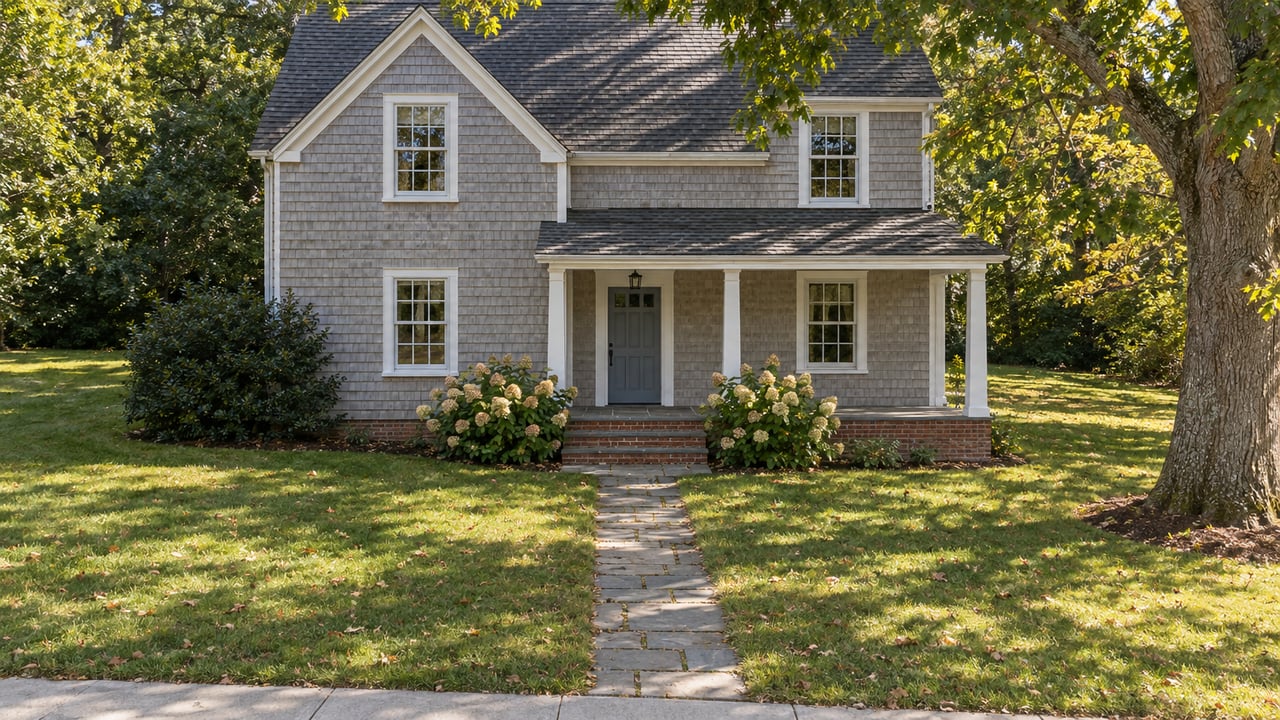
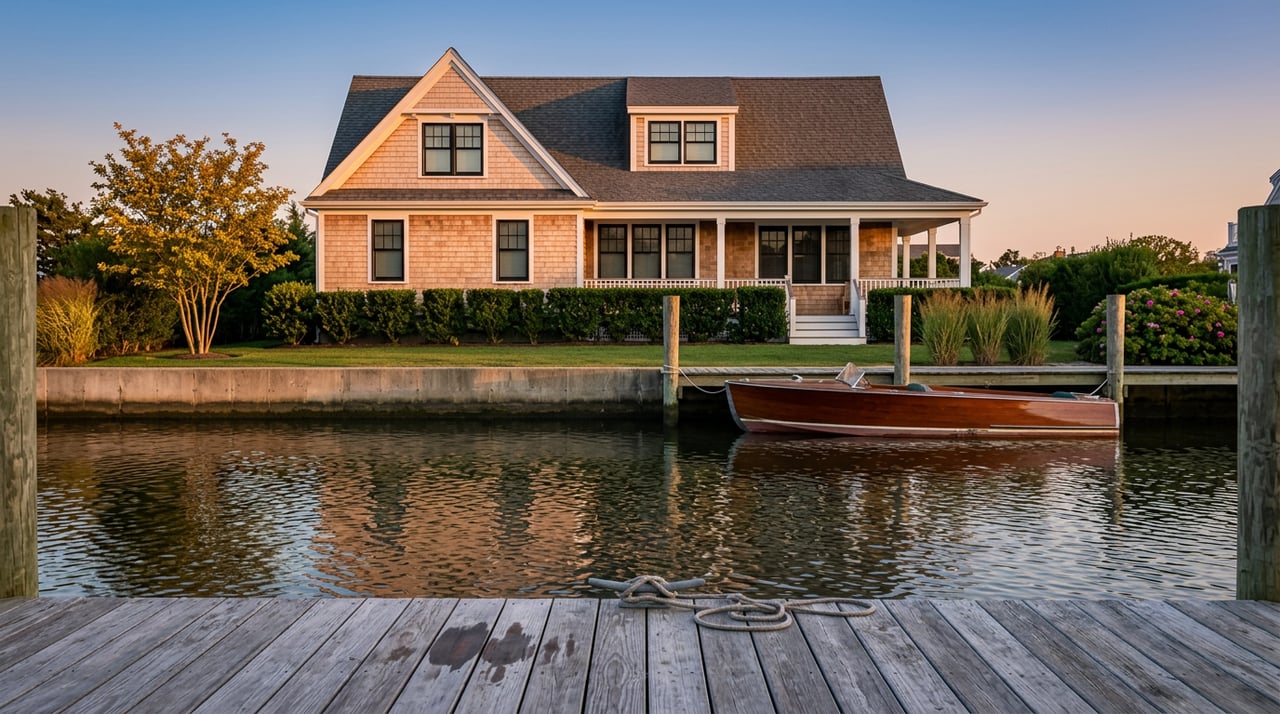
A standalone coastal home usually gives you more control over how you use the property. If privacy, outdoor living, or future customization matters most to you, that can make a house especially appealing.
With that control comes more direct responsibility. Detached-home ownership generally means you handle maintenance and repairs, property taxes, homeowners insurance, and unexpected issues yourself. Disaster risk can also affect insurance costs, and if the property is in a FEMA Special Flood Hazard Area, flood insurance is likely required.
For some buyers, that tradeoff is worth it. You may gain a private yard, more separation from neighbors, and greater freedom in how you enjoy the exterior of the property.
A coastal home may make more sense if your priority is flexibility. In Monmouth Beach, that often means:
If you want to add a deck, plan a larger renovation, or make future flood-mitigation improvements, a detached home can offer more room to shape the property around your needs.
In Monmouth Beach, greater flexibility also comes with a local permitting process. The borough’s floodplain-development packet states that no work may begin until the floodplain permit is issued.
That does not mean a house is the wrong choice. It simply means you should be realistic about the administrative side of ownership if you plan to improve the property over time. A house often gives you more freedom, but it also asks more of you.
For many buyers, the best choice comes down to one question: what part of ownership do you want to manage yourself, and what part would you rather delegate?
If the answer is that you want less hands-on maintenance and administration, a condo often comes out ahead. If the answer is that you want fewer rules, more privacy, and more control over the property, a standalone home often makes more sense.
This is especially relevant for city-to-shore buyers. If your schedule is already full and you want an easy weekend base, the condo model may feel more efficient. If your shore property is meant to be a more personal long-term retreat, the independence of a house may be worth the extra upkeep.
| Factor | Condo | Coastal Home |
|---|---|---|
| Maintenance | More shared through the association | Mostly your direct responsibility |
| Monthly costs | Mortgage plus condo or HOA dues | Mortgage plus taxes, insurance, upkeep |
| Insurance structure | Common-area master insurance may be included in dues, plus your own coverage | Your own homeowners and possible flood insurance |
| Renovation flexibility | Limited by association rules and building structure | More flexibility, subject to permits and local rules |
| Privacy | Shared building environment | More private living setup |
| Outdoor space | Usually more limited | Usually more generous |
| Seasonal ownership ease | Often easier for lock-and-leave use | Can require more active management |
No matter which option you prefer, the smartest Monmouth Beach buyers look closely at ownership details before making an offer.
For a condo, focus on the building’s financial and structural health. Review the budget, reserve study, insurance details, and any special-assessment history or risk.
For a house, confirm the flood zone, ask for any elevation certificate, and learn what permits would be needed for future additions or flood-mitigation work. Since the borough provides flood-information resources and requires permits for development in designated floodplain areas, this step is especially important.
For either property type, think through the shore lifestyle details that matter most to you. If beach access and parking are important, remember that Monmouth Beach issues beach badges and parking tags separately through the Bathing Pavilion.
There is no one-size-fits-all answer in Monmouth Beach. A condo can offer convenience, shared upkeep, and an easier seasonal routine. A coastal home can offer privacy, flexibility, and a more personal connection to the property.
The right move depends on how you want to spend your time, what responsibilities you are comfortable taking on, and how much control you want over the property long term. When you match the ownership style to your real lifestyle, the decision usually becomes much clearer.
If you are weighing Monmouth Beach condos against coastal homes and want a polished, local perspective shaped around your goals, connect with Danielle Lacko for a tailored strategy.
Stay up to date on the latest real estate trends.


Get assistance in determining current property value, crafting a competitive offer, writing and negotiating a contract, and much more. Contact me today.