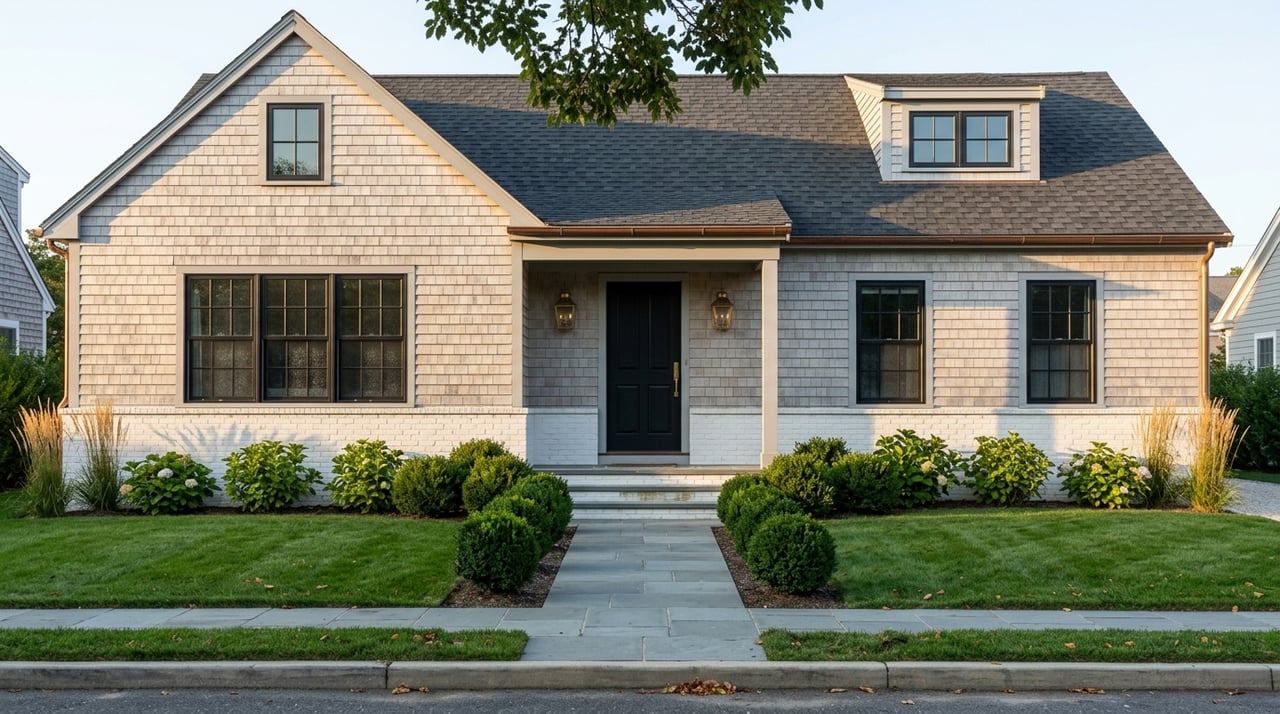
Fair Haven NJ Move-Up Buyers: Plan Your Next Home
Feeling squeezed between what you want next and what you can comfortably carry? In Fair Haven, that question matters more than ever. With pricing above the $1.4 million mark by multiple market measures, plus high property taxes and location-specific costs, it is easy to confuse a bigger purchase with a better move. The good news is that you can plan your next home with more clarity, less guesswork, and a sharper sense of what truly fits your lifestyle and budget. Let’s dive in.
In Fair Haven, overbuying is not only about stretching too far on purchase price. It can also mean choosing a home with higher monthly carrying costs, more renovation limitations, or added flood-related expenses that do not align with how you want to live.
That distinction matters in a borough this compact. Fair Haven covers about 2.1 square miles and is largely residential, with most homes being single-family detached properties and many built in the 1950s. In a town with that kind of housing stock and scale, the right fit can change from one block to the next.
Recent market data also points to a competitive environment. Redfin reported a March 2026 median sale price of $1.52 million, Zillow placed its home value index at $1,511,472 as of April 30, 2026, and Realtor.com reported a March 2026 median listing price of $1,449,499. These are different metrics, but together they show a high-priced market with limited inventory and steady demand.
The list price is only part of the story. In Fair Haven, the ongoing and upfront costs of ownership can have just as much impact on your comfort level as the mortgage itself.
New Jersey Taxation lists Fair Haven’s 2024 average residential tax bill at $17,848. Monmouth County’s 2025 equalization table lists the borough’s general tax rate at 1.469. When you add that to insurance, utilities, maintenance, and closing costs, the monthly picture can look very different from what you expected.
Closing costs should also be part of your planning. The Consumer Financial Protection Bureau notes that closing costs typically run about 2% to 5% of the purchase price. On a Fair Haven move, that can mean a significant cash outlay before you even start furnishing, renovating, or settling into the home.
Fair Haven may be small, but value drivers are not the same across town. If you want to avoid overbuying, you need to look beyond the town name and focus on the specific location, lot, and approval path tied to a property.
Old Village is one of the clearest examples of how a micro-area can affect your decision. Borough history materials place it around Fair Haven Road, Clay, DeNormandie, Gillespie, and adjacent River Road, and this area sits within an Historic District.
That can be appealing if you value established character and traditional streetscapes. It can also affect what you are able to change later. The Historic Preservation Commission advises on development in historic districts, which means renovation flexibility may be more limited than on a newer block.
A river address can be highly attractive, but it comes with extra layers of planning. Fair Haven has about 2.5 miles of riverfront along the Navesink River, and regulated flood-zone projects may require zoning review, a Floodplain Development Permit, and potentially NJDEP permits before work begins.
The borough also notes that homes and businesses in high-risk flood areas with government-backed mortgages must carry flood insurance. Local zoning language places river setback limits on some accessory structures and pools. So while a waterfront location may command a premium, the lot’s usable value and future flexibility may be more constrained than buyers first assume.
Homes near River Road and the town center offer a different set of trade-offs. Borough planning materials describe River Road as Fair Haven’s Main Street and business corridor, with mixed-use and downtown mixed-use overlay zones on certain blocks.
That can support a more connected, in-town lifestyle. At the same time, homes in or near the commercial core may have smaller yards and may be affected by more traffic, parking activity, and added zoning complexity compared with inland residential streets.
Before you set a budget, define the job of the next home. Are you looking for more bedrooms, easier one-floor living, a better outdoor setup, less maintenance, or a more convenient location inside the borough?
That question sounds simple, but it helps separate true needs from expensive upgrades that may not improve your day-to-day life. In a high-cost market, buying the right function often matters more than buying the most house.
A useful framework is to rank your priorities in three groups:
This is where Fair Haven planning becomes especially local. A home may seem like a smart buy until you realize the lot, flood-zone rules, or historic review process could make future changes harder or more expensive.
For many Fair Haven homeowners, this is the real decision. If your current home is close to working, a renovation may seem more appealing than buying into today’s pricing.
But the borough’s rules make it important to price that option carefully. Fair Haven’s zoning office says exterior projects such as additions, fences, pools, decks, fire pits, outdoor kitchens, generators, driveways, and sheds require zoning review before a permit is issued. The borough also notes recent land-use ordinance changes that affect building height, finished floor elevation, and prevailing front-yard setback.
That means renovation costs should include more than construction bids. You may also need design work, engineering, zoning review, and in some cases variance-related costs or additional permits.
Renovating can be the better move when your current lot already supports the lifestyle you want. If the location works, the property is not heavily constrained, and your changes are realistic under current rules, improving what you already own may keep your monthly costs more predictable.
Moving can be the simpler path when the lot itself is the problem. If the yard is too small, the layout cannot be improved efficiently, or the property sits in an area with layered review requirements, buying a home that already fits your next phase may be the more practical choice.
The borough’s maps page includes a zoning map, historic district map, and tax map. That reinforces an important point for buyers and sellers alike: parcel-level due diligence matters in Fair Haven.
A realistic buying range should protect your lifestyle, not pressure it. Instead of asking what you can qualify for, ask what level of payment still leaves room for savings, maintenance, travel, school or activity costs, and the unexpected.
In a market with high taxes and premium pricing, your comfortable range may be lower than the top number on paper. That is not playing small. It is planning wisely.
As you build that range, include:
Even a smart purchase can feel stressful if the timing is off. If you already own in Fair Haven, the sequencing of your sale and purchase plays a major role in whether the move feels manageable or financially heavy.
The Consumer Financial Protection Bureau says people who want to move normally try to sell their current home before buying another one. In a town where carrying costs are high, that advice is especially practical.
Selling first can help you understand your real net proceeds and reduce the chance of carrying two homes at once. It also gives you a clearer budget for your next purchase after accounting for taxes, closing costs, and any prep work tied to the sale.
If your sale and purchase do not line up perfectly, a bridge loan can help with timing. CFPB regulations recognize temporary bridge loans with terms of 12 months or less, including financing a new dwelling while you plan to sell your current one within 12 months.
Still, this should usually be treated as a short-term tool, not the default plan. It adds another layer of debt and underwriting, which can reduce flexibility during an already expensive move.
If your goal is to move without overbuying, simplicity wins. You do not need to chase the largest home or the most talked-about block. You need a property that supports your next chapter without creating unnecessary strain.
A smart planning sequence often looks like this:
In a borough as small and nuanced as Fair Haven, the details matter. The right guidance can help you read beyond the headline price and focus on value, flexibility, and long-term fit.
If you are weighing a move in Fair Haven and want a polished, strategic plan that matches your lifestyle and financial comfort zone, connect with Danielle Lacko for a thoughtful next-step conversation.
Stay up to date on the latest real estate trends.

Asbury Park top Realtors
Asbury Park New Condo Boom!
Monmouth Beach Ball Bash is coming this August!


Ocean County,New Jersey
"The Hamptons" of New Jersey
Get assistance in determining current property value, crafting a competitive offer, writing and negotiating a contract, and much more. Contact me today.