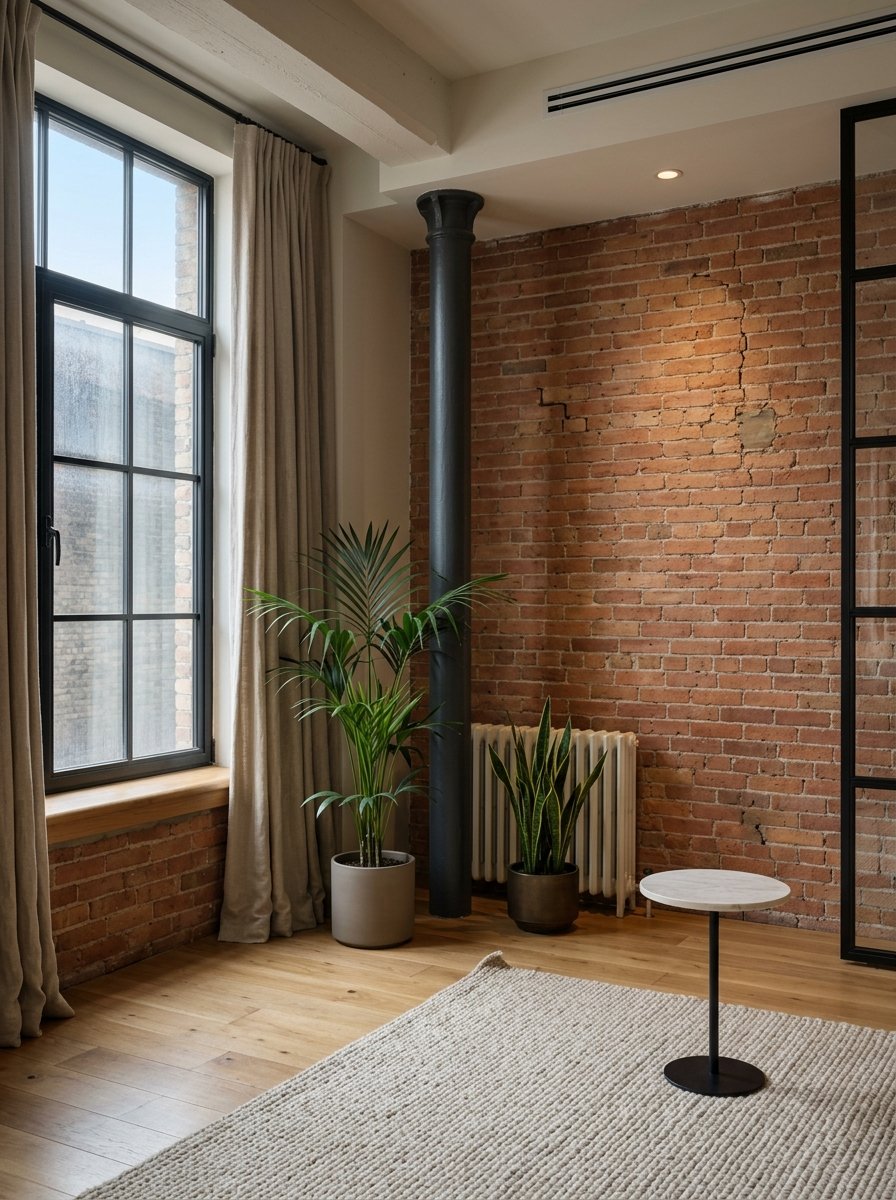
Buying A Soho Loft: Key Details To Review First
If you have ever fallen for a SoHo loft at first sight, you are not alone. Double-height vibes, cast-iron details, and huge windows can make a space feel unforgettable, but in SoHo, the smartest purchase decisions start with paperwork, not paint colors. Before you focus on finishes or furniture layout, you need to understand how the loft is legally classified, how the building is maintained, and whether the space truly works for your day-to-day life. Let’s dive in.
SoHo lofts are appealing in part because of their history. The SoHo-Cast Iron Historic District was designated in 1973 and later extended in 2010, and many of its buildings began as post-Civil War store-and-loft structures used for wholesale dry goods and manufacturing.
That layered history is part of the neighborhood’s identity, but it also affects how a property can be used and updated today. In practical terms, buying a SoHo loft often means reviewing legal occupancy, building records, and landmark-related requirements more closely than you might in a more typical condo purchase.
The first question is simple: what kind of loft are you actually buying? In SoHo, that answer is not always obvious from a listing description or even from how a unit is currently being used.
A loft may be a lawful residential condo or co-op, a joint living-work quarters for artists unit, or an Interim Multiple Dwelling unit subject to Loft Law rules. Those categories matter because they can affect lawful occupancy, renovation options, financing conversations, and your long-term plans for the property.
In certain SoHo and NoHo zoning districts, working-artist certification is still relevant for some joint living-work quarters for artists, often called JLWQA units. The New York City Department of Cultural Affairs states that artist certification is necessary to qualify for joint living-working space in the M1-MA and M1-MB districts.
The Department of Buildings also states that existing conforming JLWQA use may continue, but conversions to JLWQA after December 15, 2021 are prohibited. If a unit is a JLWQA and the occupant is not legally entitled to occupy it in that form, DOB says conversion to residential use is required before lawful occupancy.
Some loft buildings may fall under Loft Law rules as Interim Multiple Dwellings. DOB states that IMD units under Loft Board jurisdiction may be occupied as residential use without Department of Cultural Affairs artist certification.
That is why IMD status is not a side issue. It can directly affect whether the loft is already legalized for residential occupancy or whether additional steps may still be needed.
Before you get too far into a deal, ask your attorney to review key records that clarify legal use and building status. In SoHo, these are some of the most important first-pass documents:
Many SoHo loft buyers think first about layout changes, window replacements, or aesthetic upgrades. In a landmarked district, those plans may involve more process than expected.
The Landmarks Preservation Commission regulates changes to designated landmark properties and buildings in historic districts. Owners must obtain permits before work that affects the exterior and, in some cases, the interior.
If you are buying with renovation in mind, landmark status can affect timeline, cost, and scope. This is especially important for items like windows, facade repairs, roof work, and other exterior-facing improvements.
Even if you are not planning immediate construction, pending exterior work can still affect ownership costs. A buyer should ask whether any future restoration or replacement projects may require LPC approval and whether that could delay work or increase expenses.
Loft buyers often hear terms like “soaring ceilings” or “sun-flooded space.” Those phrases may be directionally true, but they are not a substitute for reviewing actual dimensions and how the unit functions.
Under the current New York City Building Code, habitable rooms and spaces must have a ceiling height of at least 8 feet. Occupiable spaces and corridors must be at least 7 feet 6 inches, and the measurement is taken from the finished floor to the finished underside of the ceiling or ceiling beams.
In a loft, exposed beams, dropped mechanicals, or design features can change how spacious a room feels in practice. A marketing number may not tell you how the space lives once you account for finished conditions.
If the building has a Loft Law history, older legalization work may have been completed under prior-code standards. That makes it worth confirming not just what the ceiling height feels like, but what the legal and practical clear height is in key living areas.
Natural light is a major part of the loft appeal, but windows also affect code compliance and everyday comfort. Under current code, every habitable room must have natural light through exterior glazed openings, with minimum glazed area equal to 10 percent of the room’s floor area or at least 12 square feet.
Natural ventilation is also generally required through windows or glazed doors, with a minimum openable area of 5 percent of the floor area and at least 6 square feet of openable area. In deeper loft layouts, this becomes especially important.
DOB loft-law guidance notes that rooms deeper than 30 feet from a room opening may require mechanical ventilation. In a classic loft with a long floorplate, interior sleeping areas, offices, or alcoves may not perform the way you assume from a quick showing.
If a layout includes interior rooms far from windows, ask how ventilation is handled and whether the configuration aligns with current requirements. This is one of those details that can be easy to miss when the architecture is doing all the charm work.
Open space can feel calm during a staged showing, but sound travels differently in loft buildings than many buyers expect. Elevator machinery, boiler systems, neighboring units, and street activity can all shape your daily experience.
The current New York City code requires separating walls, partitions, and floor-ceiling assemblies to meet airborne sound transmission standards of STC 50, and floor-ceiling assemblies must meet impact insulation standards of IIC 50. Those are technical benchmarks, but your lived experience still matters.
Try to experience the building at different times of day. Listen for elevator noise, mechanical equipment, footsteps from above, and sound transfer from adjacent units or common areas.
A second visit can tell you things a beautiful first showing cannot. In a loft purchase, acoustics are part of functionality, not a minor detail.
A stunning unit in a poorly maintained building can become an expensive surprise. In older converted loft buildings, shared systems and common-area condition should be treated as a core part of your due diligence.
The New York Attorney General’s buyer guide advises purchasers to review the offering plan, board minutes from the previous year, the most recent financial report, and any posted violations. The guide also notes that converted buildings may involve significant physical issues that should be disclosed.
In older buildings, some of the biggest cost drivers are not inside the apartment. The Attorney General’s guide specifically flags these as common expensive issues:
If any of these are under discussion in board materials, that does not automatically make the purchase a bad one. It does mean you should understand likely timing, scope, and financial impact before moving forward.
If the building is an IMD under the Loft Law, administrative compliance matters too. The Loft Board states that owners or other responsible parties must register the building, the units, and protected occupants, renew annually by June 30, and keep registrations current.
For a buyer, current Loft Board compliance can be a useful indicator of whether the building is being managed responsibly. It is not the only indicator, but it is a meaningful one in the loft context.
In New York City, a real estate attorney is a practical necessity in a transaction like this. The Attorney General recommends reading the entire offering plan and consulting with an attorney before signing a purchase agreement, and the New York City Bar notes that attorneys are used in most parts of New York while brokers are not permitted to draft legal documents or provide legal advice.
For a SoHo loft, your attorney should review the contract, offering plan, title issues, zoning or use status, and any board or Loft Board documents that could affect occupancy or future plans. This is where hidden risk often gets identified early enough to address.
A home inspector’s role is different, but just as important. The New York State Department of State defines a home inspector as someone who observes and provides a written report on the systems and components of a residential building, including heating, cooling, plumbing, electrical, and structural components.
The Attorney General also suggests that buyers may wish to rely on an engineer and attorney when evaluating the physical condition of a major purchase. Before closing, it is smart to check ceilings and walls for leaks, test plumbing performance, and pay attention to doors, cabinets, and other practical details that affect daily use.
If you want a simple way to stay organized, focus on these review points first:
Buying a SoHo loft can be incredibly rewarding, but it is a purchase where character and complexity often come together. The features that make these homes special, including historic architecture, flexible-looking layouts, and converted-building charm, are the same features that deserve deeper review.
When you verify legal occupancy, assess light and livability, and understand the building’s maintenance and landmark context, you put yourself in a much stronger position to buy with confidence. If you are considering a Manhattan loft and want a more design-aware, detail-driven approach to the search, connect with Danielle Lacko for thoughtful guidance tailored to your goals.
Stay up to date on the latest real estate trends.
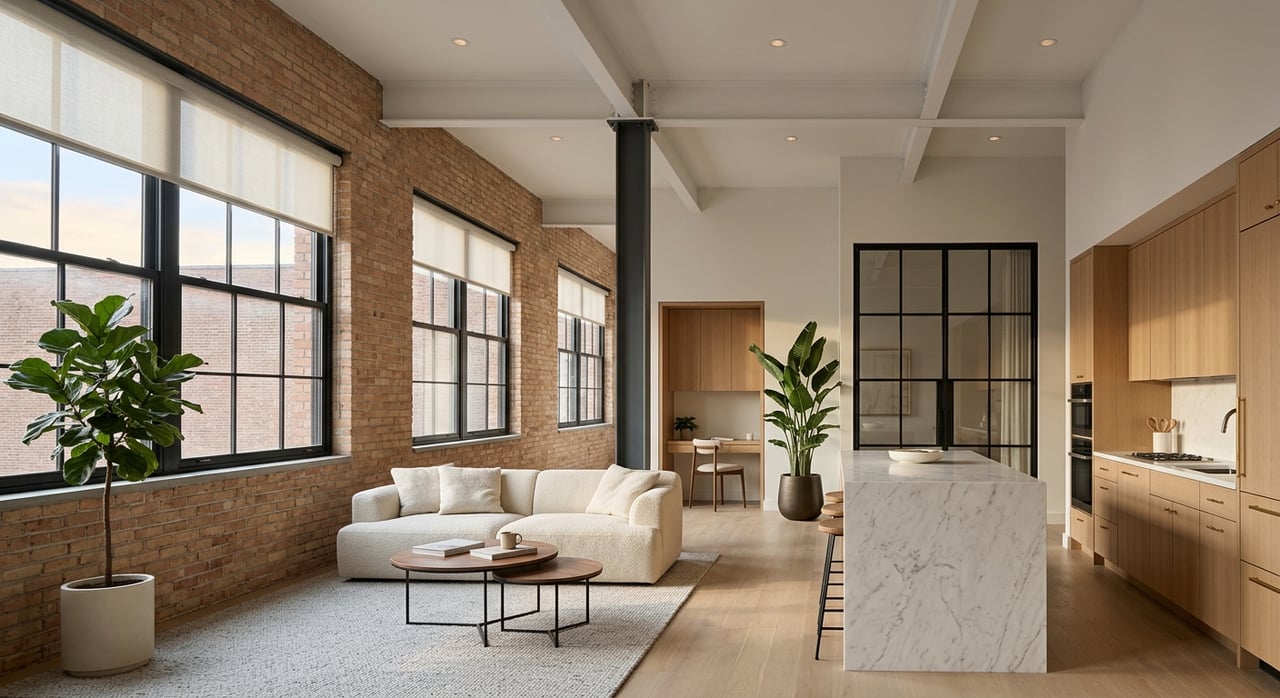
Real Estate From The City To The Shore
Homes for sale near New Jersey Shore’s new Netflix Studios development.


Get assistance in determining current property value, crafting a competitive offer, writing and negotiating a contract, and much more. Contact me today.