How to Prepare a Rumson Waterfront Home for Sale
Selling a Rumson waterfront home is not like selling an ordinary property. Buyers in 07760 pay for lifestyle, water access, and confidence that the home is properly permitted and protected. With the right prep, you can showcase your dock, views, and outdoor living while answering the flood and permitting questions upfront. This guide walks you through the exact steps to get buyer-ready, from documents and inspections to staging, photography, timing, and pricing. Let’s dive in.
Rumson sits at the top of Monmouth County pricing, with well-prepared listings moving quickly. Recent market reporting shows a high median sale price in Rumson, which reflects the premium buyers place on the borough’s waterfront lifestyle and limited inventory. You want your home to present like the best of that set so you compete at the top of the range. You can review current trends in the Rumson housing market to understand the premium position waterfront homes command.
Who are your likely buyers? You will see NYC and North Jersey professionals seeking a city-to-shore life, local and second-home buyers who value turnkey presentation, and experienced boaters who pay extra for usable docks, lifts, and easy access to the Navesink and Sandy Hook Bay. The area’s marina network and slip demand support that appeal, as you can see from local resources like Oceanic Marina in Rumson.
Before paint, staging, or photos, assemble the paperwork buyers and their lenders will ask for. This speeds up offers, supports your price, and builds trust.
Collect any permits and approvals for your dock, bulkhead, and pool, as well as as-built surveys and contractor warranties. Rumson regulates shoreline structures and requires proper permitting for work like dock or bulkhead construction and repair. If you are missing documents, request copies from the borough or your contractor, or be prepared to disclose what you do and do not have. Start with the borough’s published rules and fee schedules for guidance on what exists and what is typically required under Rumson permits and development rules.
As of March 20, 2024, New Jersey sellers must disclose key flood-risk information on the state seller disclosure form. You will be asked to note whether the property lies in a FEMA Special Flood Hazard Area or Moderate Risk Flood Hazard Area and to share any elevation certificates and flood-insurance information you have. The update is significant, and getting it right matters. Review this summary of the New Jersey flood disclosure requirements so you know exactly what to prepare.
If your home is in or near a mapped flood zone, many buyers and their lenders will ask for an elevation certificate and confirmation of flood insurance. Rumson participates in the NFIP and references FEMA flood maps in its floodplain rules. You can confirm local mapping and requirements through the borough’s floodplain regulations and FEMA references. Place any elevation certificate and flood policy declarations in your listing packet.
Waterfront work often requires New Jersey Department of Environmental Protection review. Even small dock or bulkhead projects can trigger state permits, and some locations may also involve federal oversight. If you completed work recently, confirm the scope of state permitting and keep copies. Learn the state’s permit scope under N.J.A.C. 7:7 waterfront development rules.
Your dock, bulkhead, and pool are headline amenities. A quick, targeted inspection and tune-up can strengthen your position and reduce negotiation friction.
Hire a marine professional to inspect pilings, framing, decking, fasteners, fenders, and your boat lift operation. Replace rotted boards, tighten hardware, service the lift, and clean electrical fixtures. A short written inspection and a paid invoice for simple fixes go a long way with buyers. For seasonal care and a maintenance checklist, see this practical dock maintenance guide.
If you anticipate buyer questions about bigger projects, get estimates in advance. Cost ranges vary by design and access, but recent national guides suggest typical residential dock repairs or replacements can range from the low thousands to the mid five figures, with upgrades like lifts adding cost. Use a local marine contractor for site-specific pricing, and reference a general range like Fixr’s dock repair cost guide when you plan.
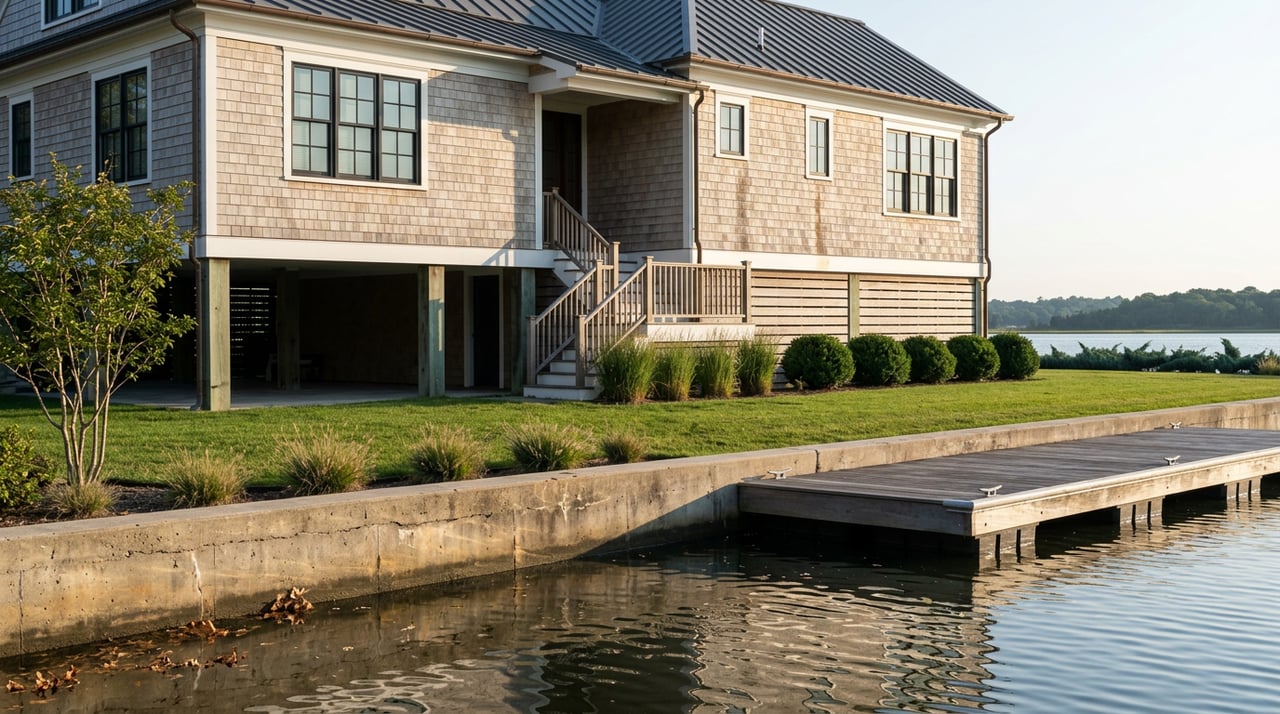
Walk the entire waterfront edge and look for settlement, undermining, cracking, or erosion. If you see areas that need attention, bring in a marine contractor or engineer to evaluate. Buyers treat a failing bulkhead as a major near-term expense, so simple stabilization or a clear bid for future work can help you hold price. Major replacements typically require permits and as-builts under borough rules, so organize your documentation and be transparent about what has been done.
For budgeting, seawall costs vary widely by material and site access. Published national ranges span from modest per-foot repair costs to four figures per foot for full engineered walls. Because conditions vary lot by lot, get at least one local estimate. You can use the same Fixr cost guide to frame expectations while you wait on local bids.
If you have a pool, confirm that your permits and certificates are in order. New Jersey-adopted standards expect compliant barriers with proper height and self-closing, self-latching gates. Repair loose latches or broken fence sections and document any recent service. A clean equipment pad and clear service receipts help buyers feel confident.
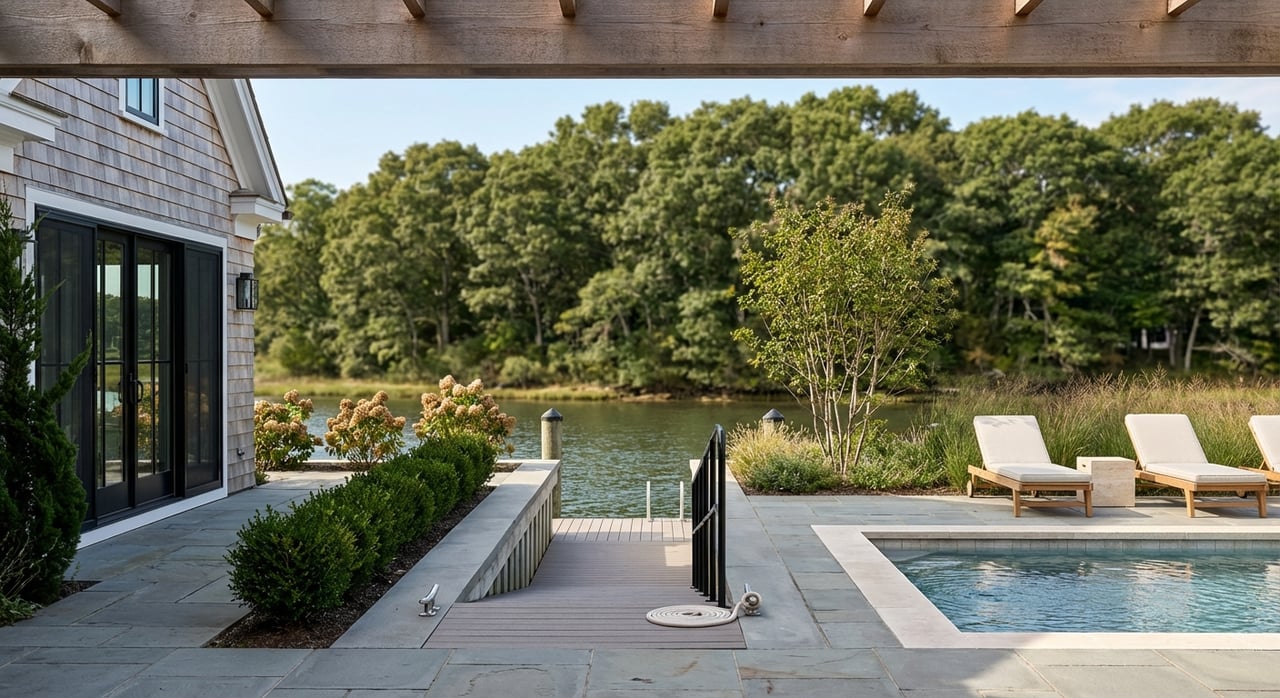
Small touches on the dock and around the shoreline can make a big impact. Add low-profile lighting, check that a visible ladder is secure, and place a life ring in an easy-to-spot location. Tidy mooring lines and refinished cleats read as “well kept,” which supports a premium.
Waterfront listings win on sightlines, light, and lifestyle. Your goal is to frame the water from the moment a buyer opens the front door online.
Keep sightlines to the water completely clear. Remove oversized or tall furnishings that block windows, use neutral palettes that let the river views shine, and set a few intentional moments outdoors like a bench and lanterns on the dock. For winter listings or gray days, rely on warm interior lighting and a twilight photo set to keep the home feeling inviting.
Industry research has consistently found that staging helps buyers visualize a property and can support faster, stronger offers. For context, review this summary of the National Association of REALTORS® findings on how staging influences buyer perception.
If you plan to use aerial photography, hire a certified Part 107 remote pilot and confirm insurance and Remote ID compliance. If controlled airspace applies, your pilot must secure authorization. You can read the FAA’s requirements for commercial drone operations.
Aim to capture green foliage, calmer water, and active boating scenes in late spring through early summer for your hero imagery. If you must list off-season, schedule twilight and warm interior shots and lean into video to communicate lifestyle.
Price to recent waterfront comparables and adjust for key items buyers value: a usable, permitted dock and lift, bulkhead condition with documents, and any elevation or flood-insurance advantages. Rumson waterfront homes trade at a significant premium over broader county averages, so use local evidence and a strong document packet to support your ask. For a sense of overall trend strength, keep an eye on the Rumson market snapshot.
Weeks 4 to 6
Weeks 2 to 3
Week of listing
Organize these items in one digital folder so agents can answer questions quickly:
You want a standout result, not just a sale. Danielle Lacko Real Estate is a boutique, design-led listing practice under Douglas Elliman with international syndication through Knight Frank. Danielle blends staging and cinematic media with institutional distribution to reach NYC-to-Shore buyers who will value your dock, views, and turnkey presentation. If you are considering a Rumson waterfront sale, partner with a team that curates, markets, and negotiates with precision. Start by contacting Danielle Lacko to Request a Home Valuation.
Stay up to date on the latest real estate trends.

Get assistance in determining current property value, crafting a competitive offer, writing and negotiating a contract, and much more. Contact me today.