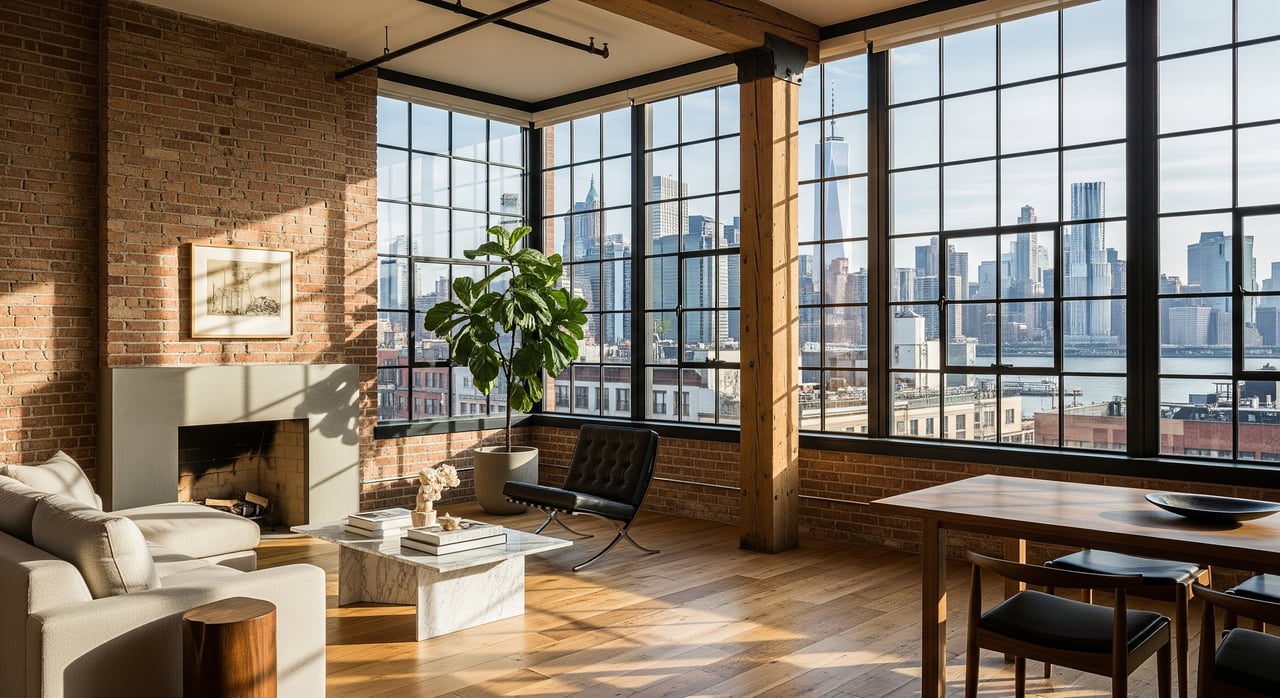
Evaluating Light And Views In Tribeca Lofts

Love a sun‑washed Tribeca loft with skyline or river glimpses? Not all light and views are created equal. In a neighborhood with a mix of historic streetwalls and newer towers, the quality of daylight and the permanence of a view can change from one block to the next. This guide gives you a practical way to evaluate exposures, zoning risks, window quality, and privacy so you can buy with confidence. Let’s dive in.

Why light and views matter in Tribeca

Tribeca blends classic warehouse lofts with modern high‑rises. That contrast shapes what you see and how much sun you feel inside your home. Light depends on orientation, street width, and nearby massing. Views depend on sightlines today and the likelihood that a neighboring parcel could rise later.

New York does not generally grant a legal right to light or a private right to views. Protection usually comes from zoning limits, landmark rules, recorded easements, and active permit oversight. Understanding those guardrails helps you judge how secure a view is over time.

Read exposures and the sun path

What each exposure gives you

  • South faces deliver the most consistent direct sunlight in New York.
  • East faces get bright morning light.
  • West faces bring late‑day sun and more summer heat.
  • North faces offer even, indirect light with little direct sun.

Higher floors usually see more sky and get past near‑level obstructions. Lower floors on narrow streets often rely on reflected light from opposite façades.

Seasonality and shadows

The sun rides high in summer and low in winter. Winter shadows stretch farther, so a mid‑rise across a narrow street can shade a lower floor for long parts of the day. Judge light quality in both seasons when possible.

Quick tools to verify

You can visualize sun angles for a specific address and date with a simple map tool. Use SunCalc to simulate the sun path by hour. Many buyers also drop a 3D pin in Google Earth Pro to preview massing and likely sightlines.

Zoning, setbacks, and streetwall scale

What the sky exposure plane means

Zoning rules shape how buildings rise and step back to let light reach the street. The sky exposure plane and setback rules influence where towers can rise relative to a base. Learn the basics in the NYC Department of City Planning zoning overview.

In Tribeca, you will see tower‑on‑base forms as well as continuous masonry streetwalls. A setback tower can reduce shadow at sidewalk level yet still block views from certain angles, especially mid‑block.

The canyon effect on narrow streets

Streetwall height and street width determine how much sky you see from a window. On a narrow block with tall, continuous façades, lower floors often feel like a canyon with less direct sun and more reliance on reflected light. Wider streets and mid‑block courtyards typically improve daylight penetration and privacy.

How to gauge the envelope next door

Check the zoning designation of adjacent parcels on the NYC Zoning and Land Use Map, ZoLa. Look at permitted floor area ratio and height, special district overlays, and whether a tower‑on‑base form is likely. This is the fastest way to spot if a low‑rise neighbor could legally grow taller.

Test view security for the long term

There is no automatic right to a view

Your current sightline can change if a neighbor builds within zoning. The goal is to assess probability, not promise permanence.

What controls future development risk

  • Zoning on adjacent lots, including permitted bulk and height.
  • Ownership patterns and development rights. A single owner controlling multiple lots may assemble air rights.
  • Existing building mass relative to allowed bulk.
  • Active or recent construction filings with the city.
  • Landmark protections that limit exterior changes.

The four quick checks to run

Waterfront‑facing units sometimes enjoy more stable view corridors when neighboring parcels are fully built or governed by special district rules. Always confirm with the resources above.

Window quality and comfort in lofts

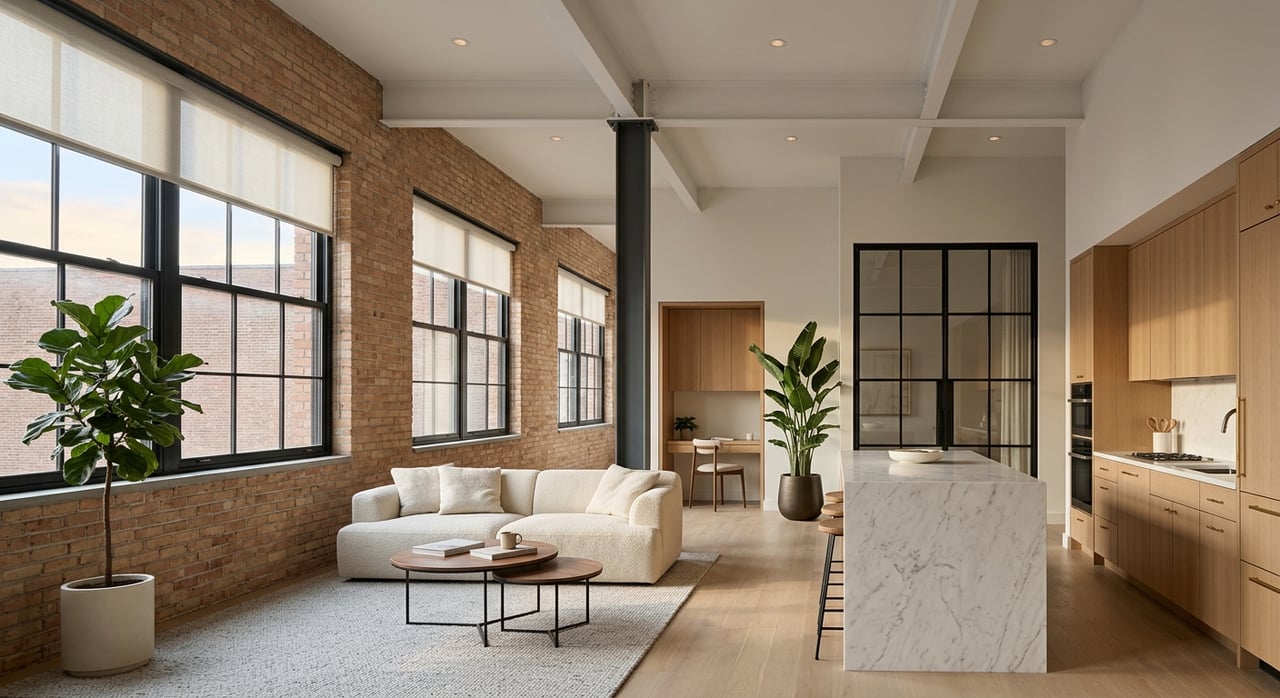
Tribeca lofts often feature large window openings. Original single‑pane steel frames bring character and high visible light, but they tend to lose heat and pass more street noise. Upgraded glazing can preserve brightness while improving comfort.

Key metrics to know:

  • Visible Transmittance (VT): percent of daylight that passes through the glass.
  • U‑factor: how well the window resists heat loss. Lower is better.
  • Solar Heat Gain Coefficient (SHGC): how much solar heat the glass admits. Lower can help with west‑facing summer heat.

Learn the fundamentals from Energy.gov’s guide to efficient windows and the Efficient Windows Collaborative. In condos and co‑ops, exterior window changes often require board approval, and in landmarked buildings LPC approval may be needed to maintain the historic façade.

Privacy and daylight strategies

Privacy depends on distance and angles to opposite façades, plus pedestrian flow below. Narrow streets reduce privacy and can increase light loss. Inside the loft, you can balance daylight and discretion with:

  • Sheer or translucent window treatments.
  • Automated shades for timed glare control.
  • Fritted or switchable glass in sensitive areas.
  • Light‑colored walls and finishes that bounce available light deeper into the space.

On‑site showing checklist

Use this quick checklist during a showing and follow up with public records.

  • Orientation: Confirm the main window faces north, south, east, or west with a compass app.
  • Time‑of‑day test: Visit morning and late afternoon if possible to see direct sun and glare.
  • Direct sunlight: Note if the living area gets sun or is shaded most of the day.
  • Floor level: Higher floors are usually less affected by nearby massing.
  • Distance to opposite façade: Estimate the gap to judge privacy and reflected light.
  • Street width and streetwall: Is the opposite side tall and continuous, or set back and varied?
  • Neighboring lots: Flag empty lots, parking, or low‑rise buildings that might redevelop.
  • Rooftop equipment: Look for mechanicals that interrupt view corridors.
  • Existing glazing: Check pane count, seals, and frame condition.
  • Sound: Notice street noise inside, which hints at window performance.

Questions for the seller or building manager:

  • Any recent or pending permits or variances on adjacent lots? Ask for job numbers.
  • Any recorded air‑rights transfers nearby?
  • What is the policy for exterior window replacement and approvals? Any LPC history?
  • Are facade or window replacement projects planned in reserves or minutes?
  • Any seasonal glare or overheating concerns reported by residents?

Documentation tips:

  • Take photos from each major window and of the block from multiple angles.
  • Review Street View and recent aerial imagery for context.
  • Run a SunCalc diagram for the exact address on key dates.

Short‑term green flags: high floor, southern exposure, wider street, open park or river view. Long‑term red flags: adjacent vacant lot with generous zoning, single‑owner control of multiple parcels, active DOB filings next door, low‑floor unit on a narrow street with continuous streetwall.

How Dani vets light and views for you

Here is a concise workflow I use to produce a defensible read on daylight, view quality, and future risk.

Step 1: Public record scan

  • Zoning snapshot on ZoLa for subject and adjacent parcels, including overlays.
  • Ownership check on ACRIS for neighboring lots and any recorded transfers of development rights.
  • Permit review at the NYC DOB site for active or recent filings.
  • Landmark status via the LPC maps and decisions.

Step 2: Massing and solar check

  • Simulate sun angles with SunCalc for key dates and times.
  • Review 3D massing in Google Earth Pro to visualize sightlines and potential blockage.
  • Cross‑check with Street View and recent aerials for on‑the‑ground conditions.

Step 3: Client summary and follow‑ups

  • Deliver a one‑page brief that covers orientation, expected daylight quality, and view risk coded red, amber, or green.
  • Recommend follow‑ups, such as requesting building elevations or specific DOB job files.

Step 4: Deeper diligence for high‑value buys

  • Pull full DOB job records to compare approved massing with what is built or proposed.
  • Expand ACRIS research for recorded covenants or air‑rights transfers.
  • Obtain LPC records for any certificates of appropriateness that could shape façade changes.
  • When daylight is a deal‑maker, coordinate a third‑party architect or daylighting consultant.

Final thoughts

Buying a Tribeca loft should feel inspiring, not uncertain. When you understand how exposures, zoning, glazing, and street scale work together, you can separate a beautiful moment from a durable investment. If you want a guided assessment that blends on‑site observation with smart records research, connect with Danielle Lacko for a focused consultation.

FAQs

What does southern exposure mean for a Tribeca loft?

  • In New York, south‑facing windows generally receive the most consistent direct sunlight, although winter sun is lower and nearby buildings can still limit light.

How can I check if a future building could block my Tribeca views?

  • Review adjacent zoning on ZoLa, search permits at the NYC DOB site, and check ownership and air‑rights transfers on ACRIS to evaluate buildable potential.

Do landmark districts in Tribeca protect my light or view?

  • Landmark rules primarily control exterior changes to designated buildings and façades, which can limit massing changes but do not guarantee private views or sunlight.

Which window upgrades matter most in older Tribeca lofts?

  • Double‑glazed low‑E windows with a low U‑factor and appropriate SHGC improve comfort and sound control while maintaining daylight levels.

How do narrow Tribeca streets affect privacy in a loft?

  • Narrow streets and continuous streetwalls reduce distance to opposite façades, which can lower privacy and daylight; interior shades and glazing strategies help balance both.

Work With Danielle

Get assistance in determining current property value, crafting a competitive offer, writing and negotiating a contract, and much more. Contact me today.