Tribeca Loft Investment Analysis for Long-Term Value
If you are thinking about buying or holding a Tribeca loft for the long run, the big question is simple: are you paying for a lasting asset or just a famous downtown label? In Tribeca, that distinction matters. The neighborhood still offers a strong long-term hold story, but the best case is tied to the right loft, the right building, and the right legal and physical details. Let’s dive in.
Tribeca lofts have one advantage that is hard to replicate: limited supply with a very specific architectural identity. The neighborhood’s historic district protections and special zoning framework help preserve the original store-and-loft building stock that gives Tribeca its appeal.
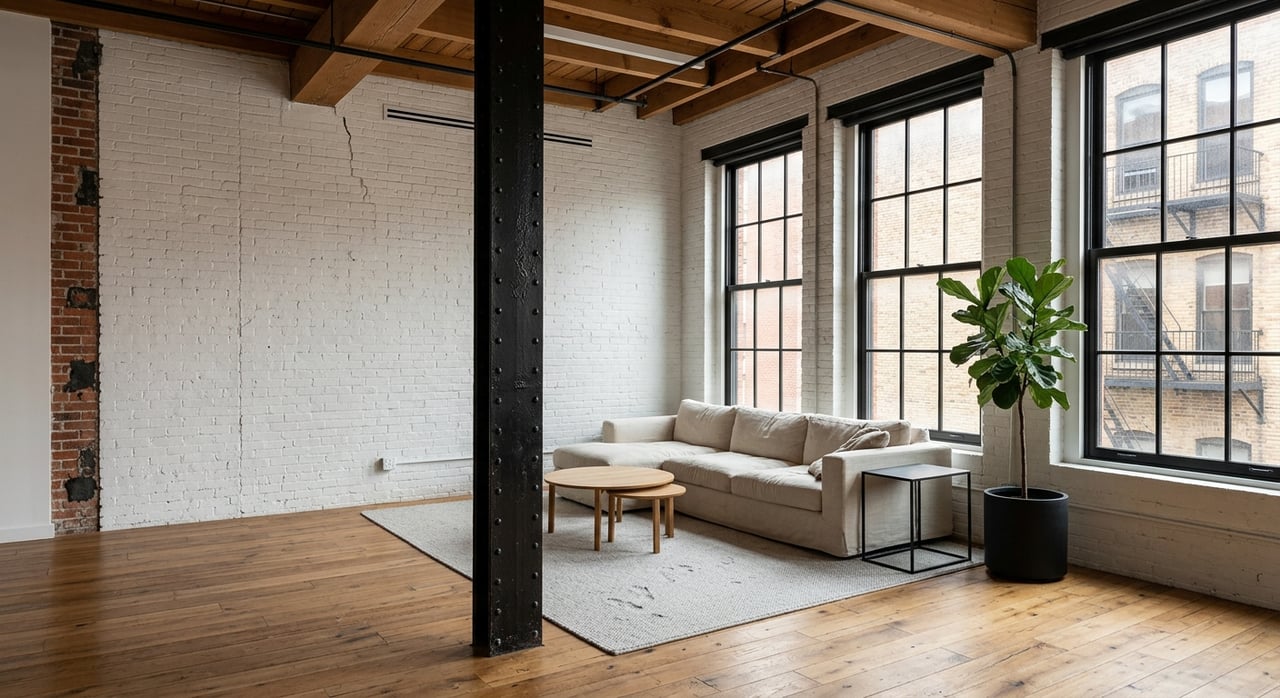
That matters because many of the features buyers still want most were built into these properties from the start. Large open interiors, tall ceilings, and generous windows remain central to the loft premium. In a market where unique space is difficult to create at scale, Tribeca’s authentic loft inventory stays differentiated.
The long-term hold argument for Tribeca starts with scarcity. The Special Tribeca Mixed Use District was designed to support compatible residential use while preserving aspects of the area’s built character and development framework.
The zoning text also limits the creation of new loft dwellings after October 13, 2010, except through subdivision of an existing loft dwelling. In practical terms, that means the best Tribeca lofts are part of a finite product category. When supply is structurally constrained, quality tends to matter even more.
Tribeca does not exist in a vacuum. It benefits from the broader growth of Lower Manhattan as a place where more people live full-time.
A Manhattan Community Board 1 demographics update showed Tribeca’s population reached 20,806 residents, up 15.6% from 2010. The broader district grew to 78,390 residents, up 28.6%. That kind of population growth supports the idea that demand is tied to an increasingly established residential downtown, not just short-term market hype.
Downtown Alliance data adds another layer. Lower Manhattan’s population surpassed 70,000 in 2025, and new residential conversion projects continue to expand housing options in the area. That is positive for neighborhood vitality, though it also means buyers and owners should evaluate each building carefully because future supply will not all compete in the same way as classic Tribeca lofts.
Tribeca remains a premium market, but it is not a one-size-fits-all market. Current snapshots from major housing platforms show high pricing, active inventory, and some room for negotiation.
Redfin reported a median sale price of $3.89 million over the three months ending May 2026, up 6.0% year over year, with 77 median days on market and a 99.3% sale-to-list ratio. Zillow showed an average home value of $3.71 million, up 7.5% over the past year, with 151 for-sale listings and a median 95 days to pending. Realtor.com showed a median listing price of $4.5 million, 201 active listings, and 52 median days on market.
Taken together, those numbers point to a neighborhood where pricing remains strong, but buyers have time to evaluate product quality. That is often healthy for long-term holders because it puts more attention on substance over momentum.
This is where many buyers and owners get tripped up. A strong neighborhood does not guarantee equal performance across all ownership structures, layouts, and buildings.
Douglas Elliman’s 2015 to 2024 survey showed that SoHo/TriBeCa condos had stronger decade performance than co-ops. Condo average sales price rose 13.9% over that period, median sales price rose 11.0%, and average price per square foot increased 6.6%. By contrast, SoHo/TriBeCa co-ops posted softer decade results, with average sales price down 6.7% and average price per square foot down 3.2% compared with 2015.
That split is important. If you are evaluating a Tribeca loft as a long-term hold, you should look beyond the neighborhood name and dig into the ownership structure, buyer pool, and resale flexibility.
The loft category itself continues to show resilience across Manhattan. Brown Harris Stevens reported in the second quarter of 2025 that the average Manhattan loft price per square foot rose 3% year over year to $1,623.
The same report showed loft apartments sold in an average of 122 days and sellers received 96.8% of last asking price. That does not mean every loft commands a premium automatically. It does suggest, however, that loft product remains desirable and marketable when priced and positioned correctly.
If you are asking whether a specific Tribeca loft is a smart long-term hold, the answer usually comes down to a short list of physical and legal fundamentals.
Tribeca loft living is closely tied to scale. Historic references to the neighborhood describe ceilings in the roughly 12- to 16-foot range and oversized windows as part of the area’s industrial inheritance.
That sense of volume is hard to fake. Buyers often respond to cubic space, not just square footage, and that helps true lofts stand apart from more conventional apartments.
Natural light is one of the biggest drivers of long-term appeal. In many lofts, strong window exposure and clean window lines can matter more than an extra partition or nominal bedroom count.
In practical terms, a bright, proportionate loft usually ages better in the resale market than a darker unit with a more crowded plan. Light helps preserve the openness that buyers associate with authentic downtown loft living.
A good loft still needs to live well. Open-plan space sounds great on paper, but resale value depends on whether the layout feels efficient, usable, and comfortable over time.
That means clear circulation, practical room placement, and usable wall space matter. A loft with awkward mezzanines, compromised privacy, or choppy retrofits may not hold value as well as one with a cleaner plan.
For older loft stock, legal status matters more than many buyers expect. The NYC Loft Board oversees the legal conversion of certain commercial or manufacturing spaces to residential use and requires owners to legalize buildings to minimum housing-code standards.
For a long-term hold, clean legal status can support financing, resale confidence, and a smoother transaction later. If there are unresolved issues, they can weaken the hold case even in a strong location.
Historic districts help protect character, but they can also make building stewardship more important. In Tribeca, the strongest long-term performers are often lofts that modernize interiors thoughtfully without stripping away the character that made the property special in the first place.
Quality matters here. Good upgrades can support daily function and resale appeal, while overly trendy or poorly executed renovations can shorten a property’s shelf life.
A Tribeca loft tends to make the strongest long-term hold when several factors line up at once. You want authentic loft character, limited competing supply, good light, strong proportions, and a building with clear legal and physical fundamentals.
The hold case is often weaker when the unit relies too heavily on the Tribeca name alone. If the layout is dated, exposure is weak, or the building carries unresolved issues, the neighborhood premium may not be enough to protect performance.
If you are deciding whether to buy, keep, or sell a Tribeca loft, it helps to think in layers rather than headlines. Start with the neighborhood, then narrow to the building, then the unit, then the ownership structure.
A simple checklist can help:
In Tribeca, those details often matter more than broad market averages. The premium end of the market rewards quality, and quality is rarely random.
Yes, Tribeca lofts can still be a smart long-term hold, but the smartest holds are selective. The neighborhood still benefits from limited loft supply, historic character, growing residential momentum in Lower Manhattan, and continued demand for distinctive space.
At the same time, the market is sophisticated enough to separate great lofts from average ones. If your property combines authentic volume, light, functional design, and clean building fundamentals, the long-term case remains credible. If it does not, the Tribeca zip code alone may not do all the work.
For owners and buyers in this segment, strategy matters as much as timing. And in a neighborhood like Tribeca, thoughtful positioning can make all the difference.
If you are weighing whether to hold, buy, or prepare a Tribeca loft for sale, working with a design-minded advisor can help you see both the lifestyle value and the resale story more clearly. For a more tailored conversation about Manhattan loft positioning and presentation, connect with Danielle Lacko.
Stay up to date on the latest real estate trends.
Danielle Lacko "Real Estate From The City To The Shore
Danielle Lacko Team, Your Oceanport NJ local Expert!
Get assistance in determining current property value, crafting a competitive offer, writing and negotiating a contract, and much more. Contact me today.